Services provided
WHAT
Ignalina Nuclear Power Plant no longer generates electricity but manages one of the region’s most complex environmental projects: decommissioning, dismantling infrastructure, managing radioactive waste, and developing containment solutions extending beyond 2100. Despite this, the public perceives it as an organization “about to be closed” and a symbol of political dependency and risk. People rarely associate it with environmental protection or future energy strategy. The challenge was to redefine the institution — shifting it from a closed industrial object into a long-term organization implementing a megaproject for a cleaner, safer future.
Visit website
Visit website


Brandtype
Guardian type brands act as barrier that protects their customers’ information and assets from external threats in a volatile environment.
Discover brandtypes
Discover brandtypes
INSIGHT
Research revealed a mismatch between what the organization does and how it is perceived: de jure it is part of the energy sector, but de facto its work is environmental protection — managing the end of the nuclear cycle and developing infrastructure for waste containment. Historically, nuclear power in Lithuania has been tied to fear and the economic burden of mandated closure. Consequently, the project is judged as obsolete and unproductive rather than a specialized ecological undertaking. The key insight was that to change perception, the context must change: the project is not an old plant winding down, but the country’s most important ecological initiative.
POSITIONING
The positioning defines the organization as the architect of Lithuania’s atomic transformation: an expert body managing the end of the nuclear cycle and implementing a significant environmental megaproject. Rather than a company with an expiry date, it is a vital player in a field where environmental and energy principles integrate. This meant aligning with international standards by emphasizing four pillars: national responsibility, safety, a central role in the energy landscape, and environmental protection. The work is presented as meticulously planned toward defined goals, supported by international experts and commitments extending beyond a single generation.
RESULT
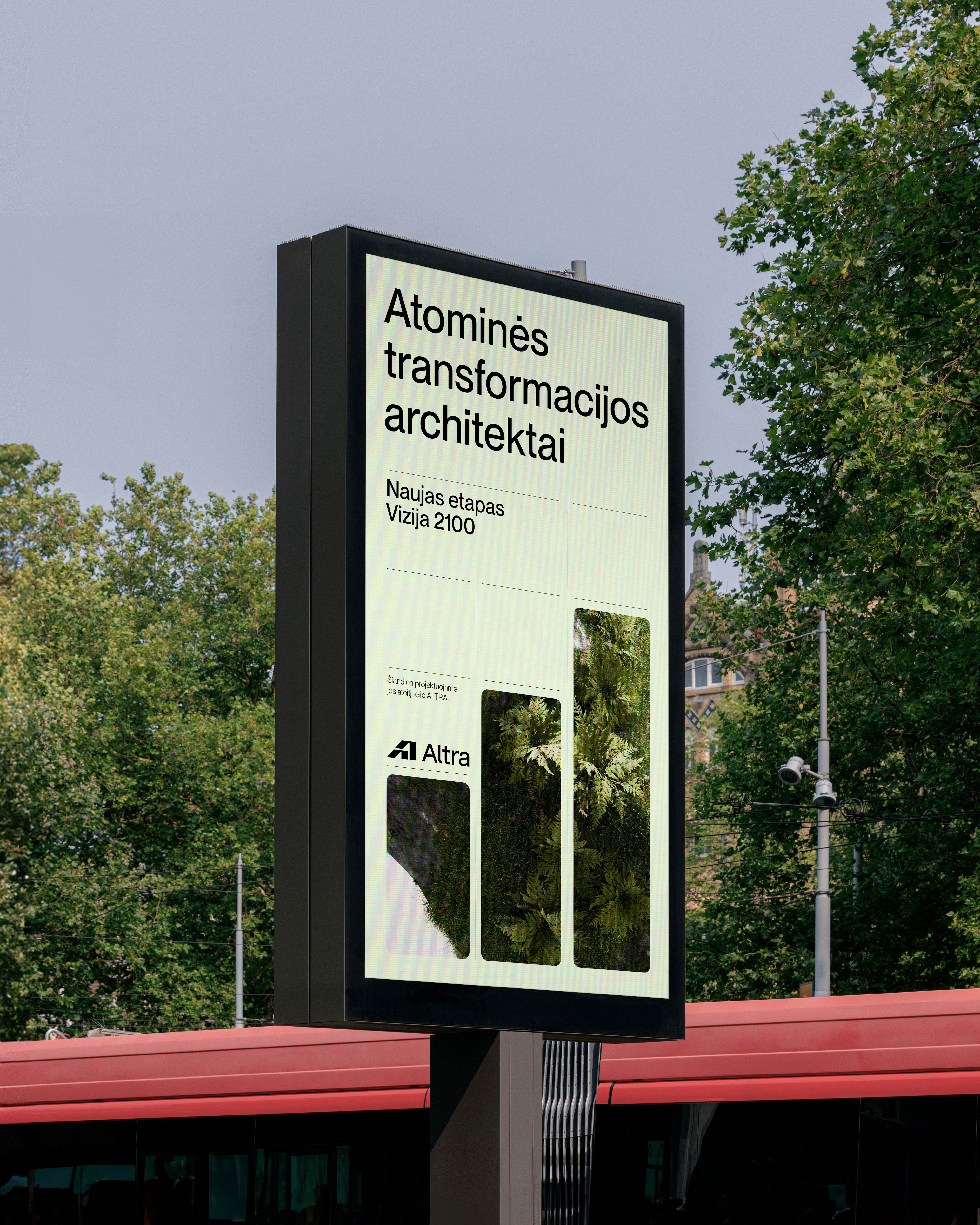
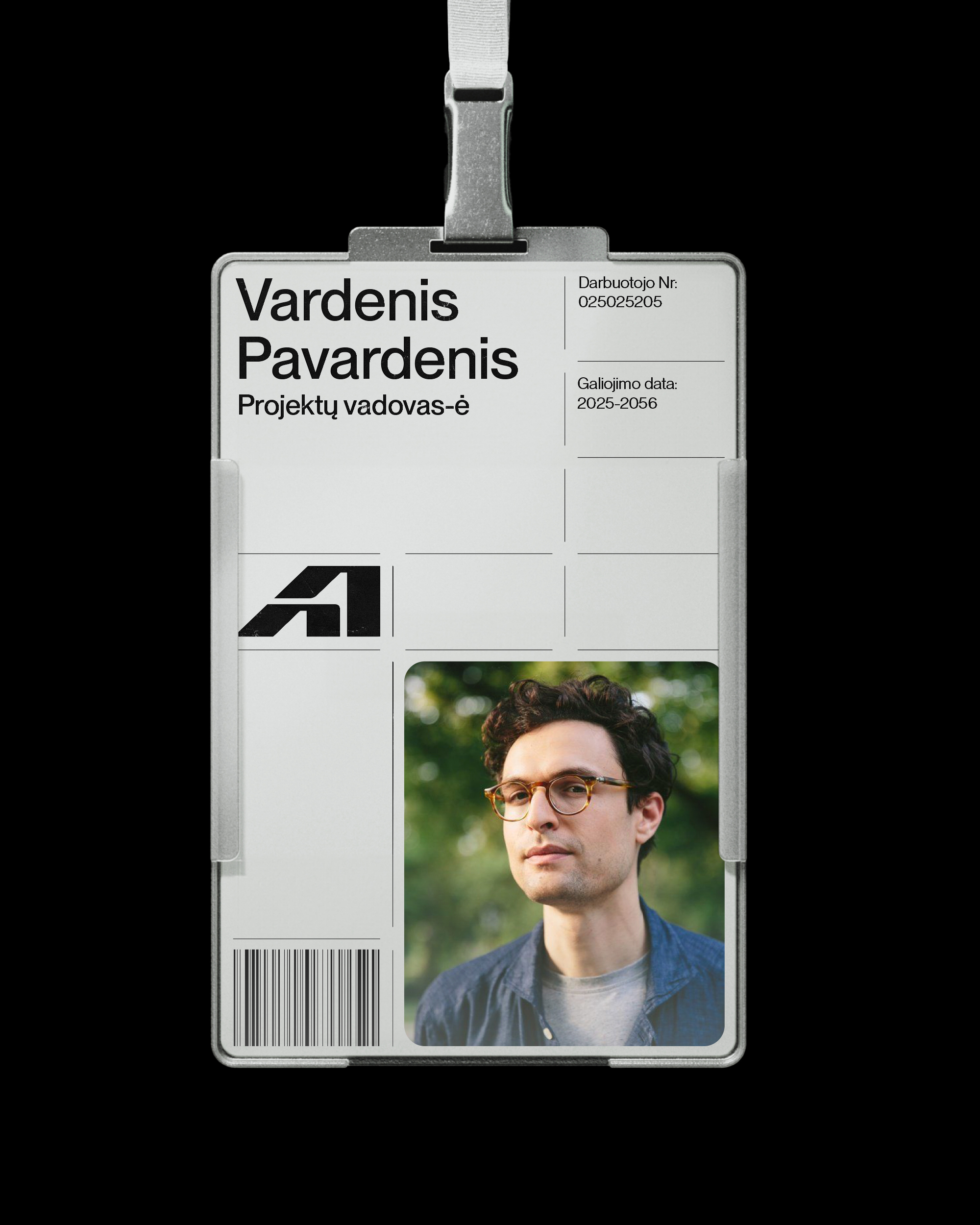
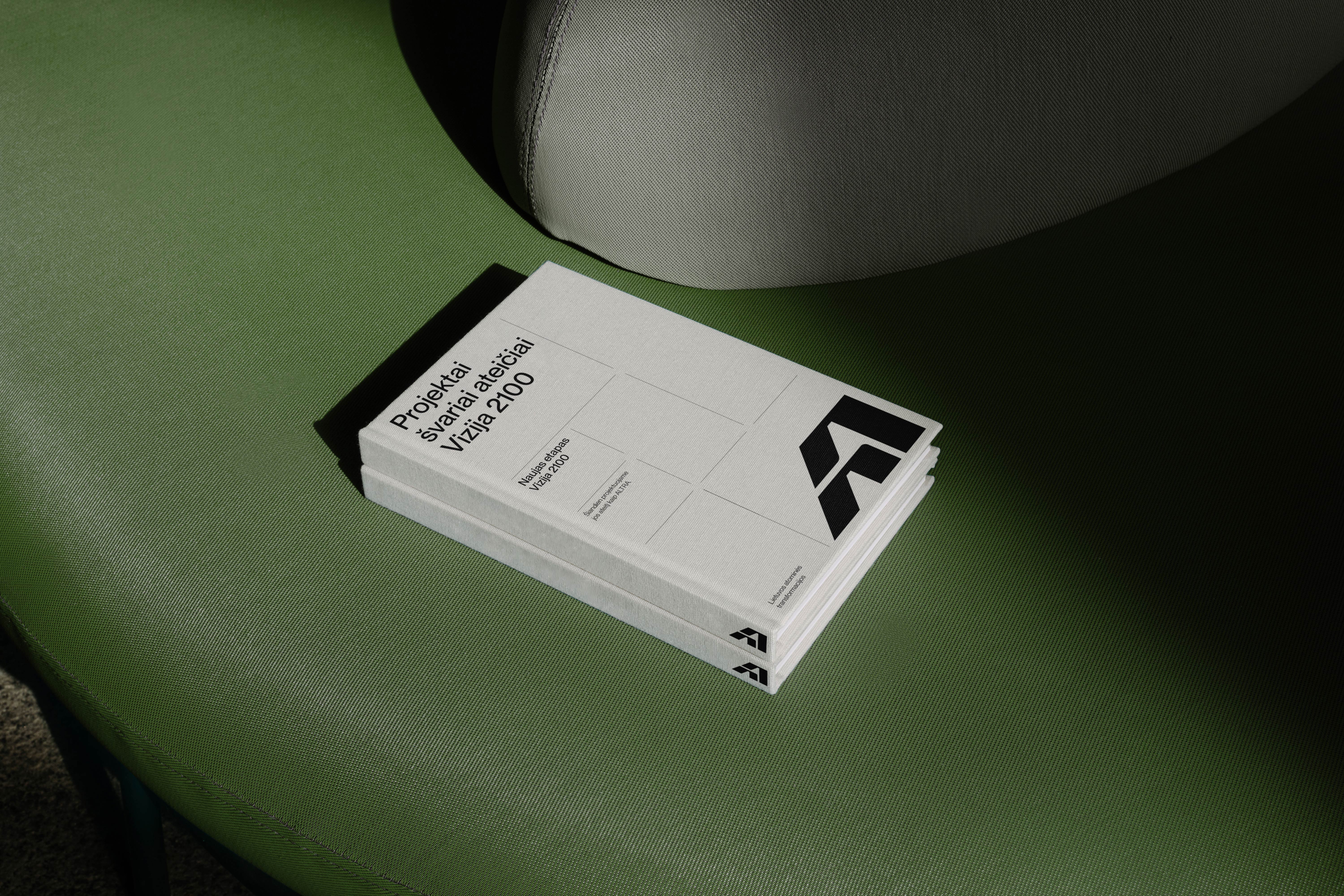
The new brand, Altra, crystallizes this repositioning by giving a clear name, narrative, and visual language to Lithuania’s atomic transformation megaproject while continuing to be managed under the legal entity of the Ignalina Nuclear Power Plant. The name encodes the mission in three parts: “Alter”signals transformation and the shift to managing the nuclear legacy; “LT” references Lithuania; and “RA” alludes to radioactive waste, the heart of the ecological challenge. The brand defines the organization as the "architects of atomic transformation," uniting environmental and energy principles. The visual identity created by andstudio reinforces this through a logo symbolizing architectural planning and deliberate progress toward a greener future. In this way, Altra transforms the perception of the site into a trusted, future-oriented authority in ecological transformation and nuclear stewardship.
TESTIMONIAL